


Slide 1
Shaping the Skies of
Tomorrow

Next-Gen Airport Master Planning

Optimizing

World-Class

Elevating

Smart

Slide 2
World-Class
Aviation Consulting Services.

Navigating Complex Aviation Challenges with Proven Engineering Expertise

TOTAL

SOLUTION

Sustainable Design

Slide 3
Welcome to
Zhuhang Airlines

Smarter Layouts for Peak Airport Efficiency

Data-Inspired

Design Solutions

Welcome to

next arrownext arrow
previous arrowprevious arrow
  • Refine the engineering quantity list
  • Professional equipment to assist in inquiry
  • Assistance in controlling unit prices based on project experience
  • Provide risk items that should be included but not listed in the tender
  • Explain the special construction part of the airport
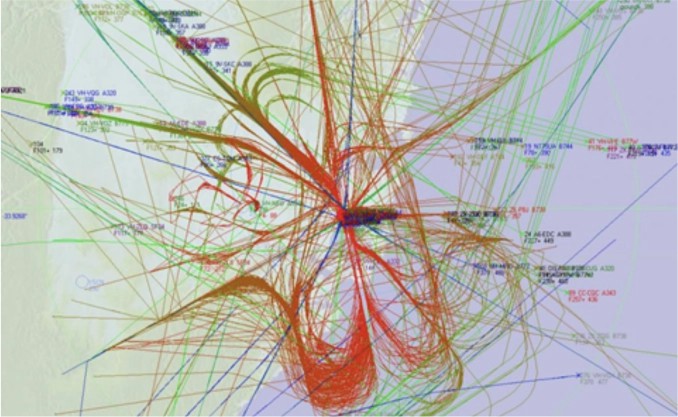
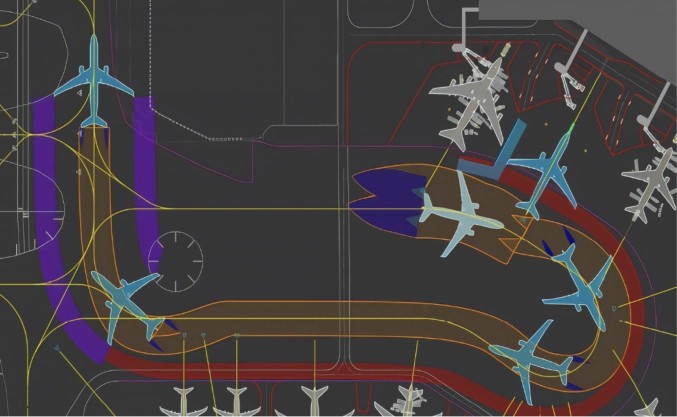
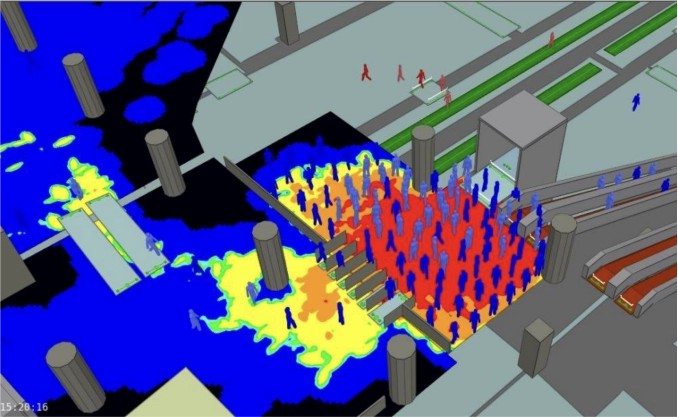
Visualize and analyze and plan the various possible conditions that occur during airport operations.


  • Provide or optimize construction plans
  • Design methods for presenting existing highlights
  • Provide seniority of personnel who can earn bonus points
  • Provide information on airport professional equipment manufacturers
  • Explain the special construction part of the airport
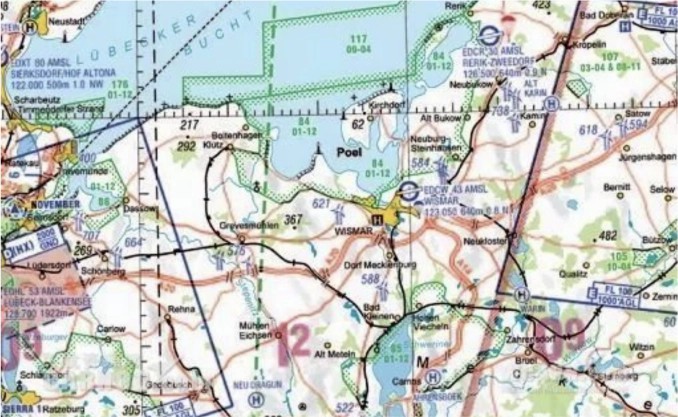
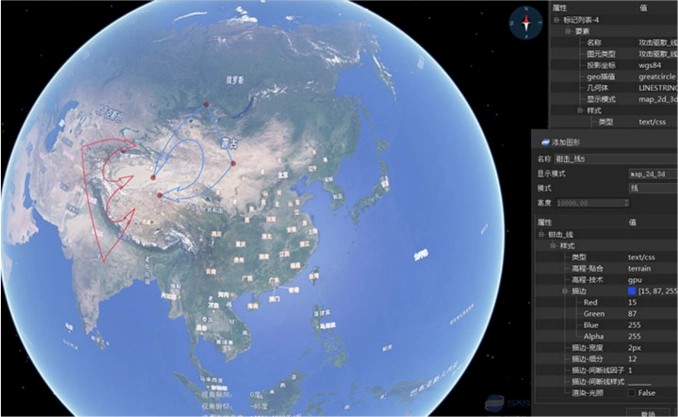
To evaluate the effects of the electromagnetic environment in an area on flight procedures and interference with aircraft signal segments.

The existence of tender documents during the bidding process that do not reflect the actual situation on site will bring risks to the general contractor in subsequent construction. With their extensive project experience, project engineers can identify vague or even incorrect statements in the tender during on-site investigations and communicate with the owner on the spot. Effectively reduce disputes in later construction and enable more scientific and accurate technical solutions and quotations to be given.

  • Airspace capacity assessment
  • Airfield capacity assessment
  • Terminal capacity assessment

An objective assessment of airport capacity, including: the extent of airspace contained in the terminal/approach control area and tower control area, and the airport extent of the airport activity area and terminal building.
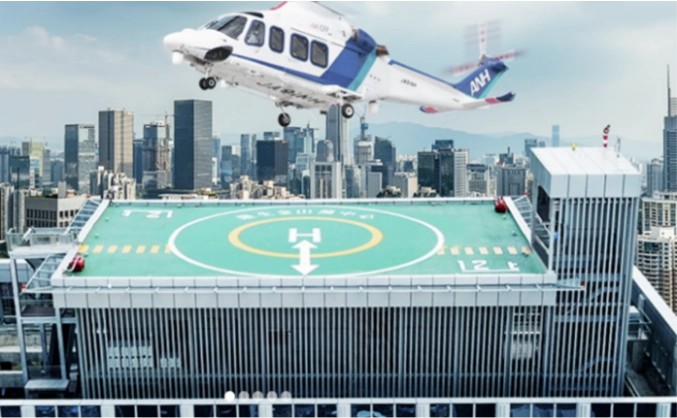
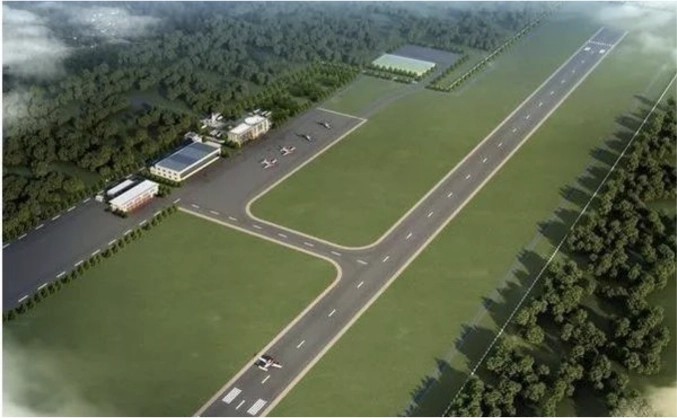
Participate in and complete the design of the heliport, and conduct comprehensive inspections and analyses of the heliport from maintenance and support, aircraft material management, route declaration, emergency operation, personnel qualifications, etc., to evaluate operational safety.

  • Engineering Measurement
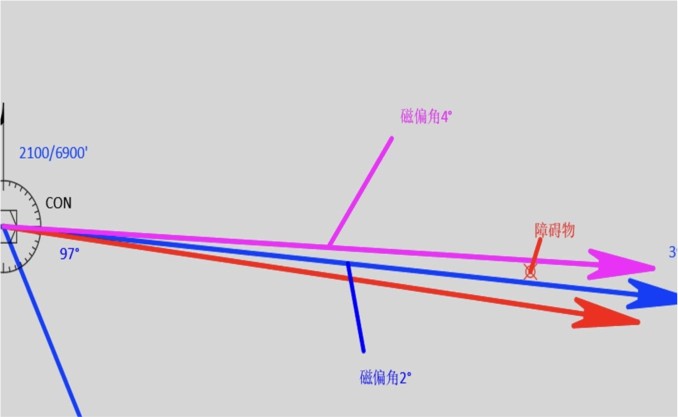
  • Magnetic declination measurement and verification services
  • Preparation and maintenance of airport regulations

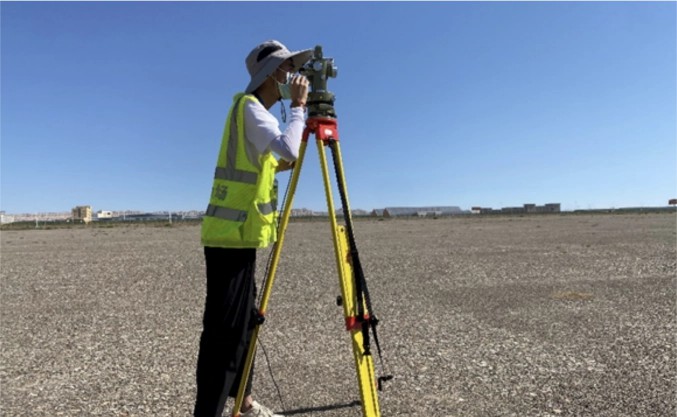
Surveying work carried out for the survey, design, construction, completion and operation management of airport construction.

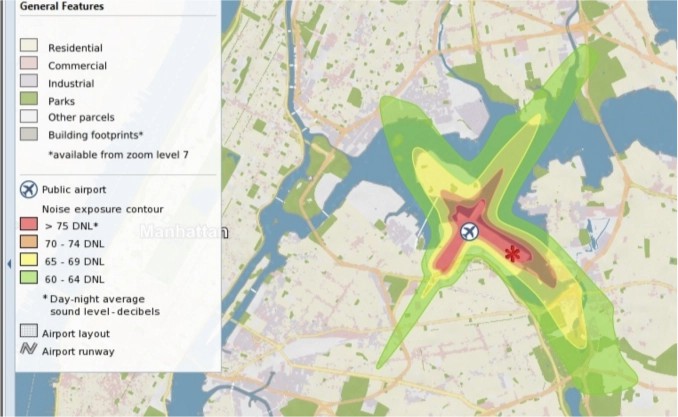
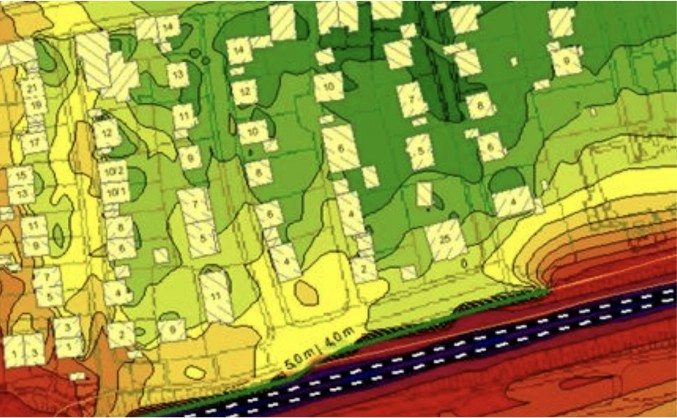
By analyzing the noise emitted by airport construction, aircraft take-off and landing, etc., the impact on the lives of surrounding residents and the ecological environment is analyzed.

  • Visual procedures
  • Traditional flight procedures
  • PBN Flight Procedure

The flight program is designed to ensure that the aircraft can safely overtake and avoid obstacles in the terminal area to achieve the specified safety goals. With ensuring flight safety as the core, we consider adapting to many factors such as airport operation categories, operation methods, aircraft performance requirements, clearance environment, airspace environment, ensuring smooth flight, energy conservation and emission reduction, and improving operating efficiency.

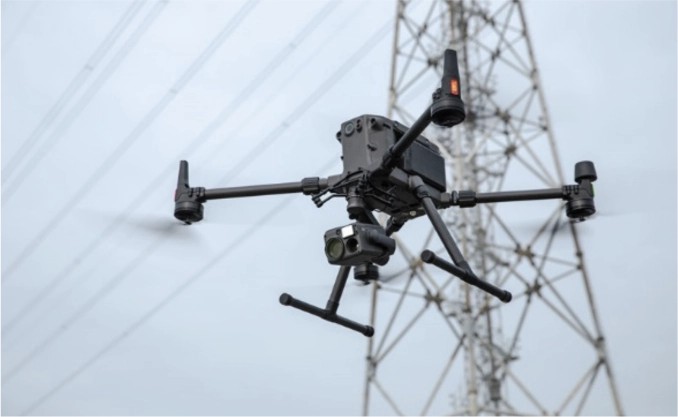
Drone mapping, drone detection.

  • Clearance treatment
  • RNP AR program FOSA evaluation
  • Design of emergency procedures for take-off

The role of aircraft performance analysis is to enable airports to fully utilize the operating capabilities of aircraft on the premise of complying with airworthiness requirements. According to the airport construction project stage, it is divided into site selection stage, pre-research stage, master plan stage, research stage, preliminary design stage, and terminal design stage. The main consideration is whether the runway length and clearance conditions around the airport meet the aircraft's operation in a takeoff emergency.

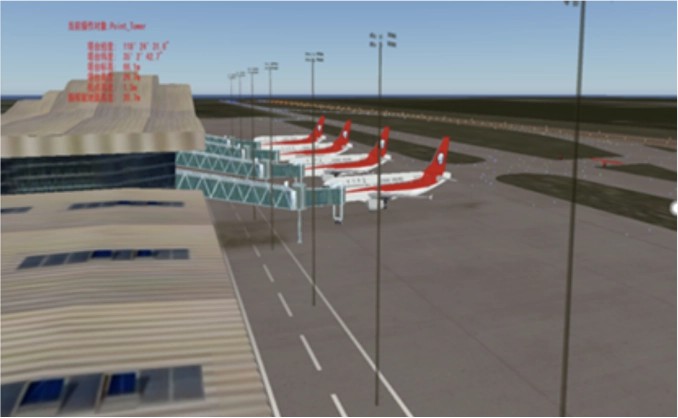
The location of the tower directly affects the operational safety and efficiency of the aircraft. The location and height of the tower are directly related to whether the controller can look into the airport maneuver area and correctly judge the operation of the aircraft. Determine the tower location based on the airport planning and layout plan, and analyze the tower visibility, shielding and obstacle impact. By constructing a three-dimensional model of the tower, runway and taxiway, the tower view is simulated and analyzed.

  • Flight program analysis
  • Analysis of the current state of operations
  • Flight posture analysis
  • Flight performance analysis

For special airports, airports with complex terrain, weather and climate, safety risk assessments are carried out for different aircraft types based on aircraft flight procedures, aircraft performance and operating route conditions to achieve increased load. At the same time, the goal of ensuring flight safety.

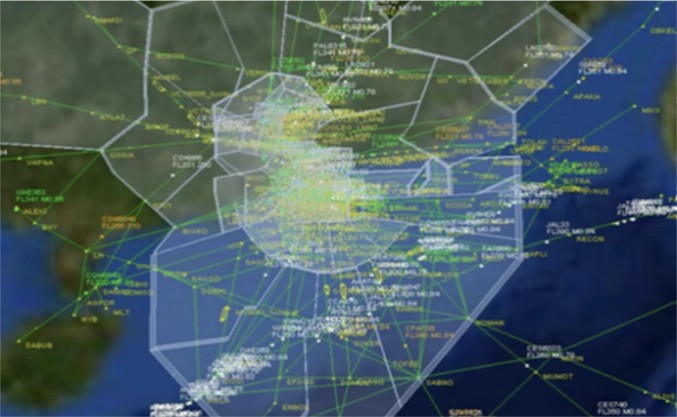
It mainly establishes corresponding airspace simulations and regional airspace simulations for different airport runway configurations, different operating modes and various airspace configuration combinations, conducts corresponding capacity assessments under different airspace configuration schemes, and analyzes KPI indicators such as flight operation safety, capacity, and efficiency under various operating constraints.

  • Concept Design
  • Route analysis
  • Terminal space simulation
  • Analysis of facility requirements and capacity

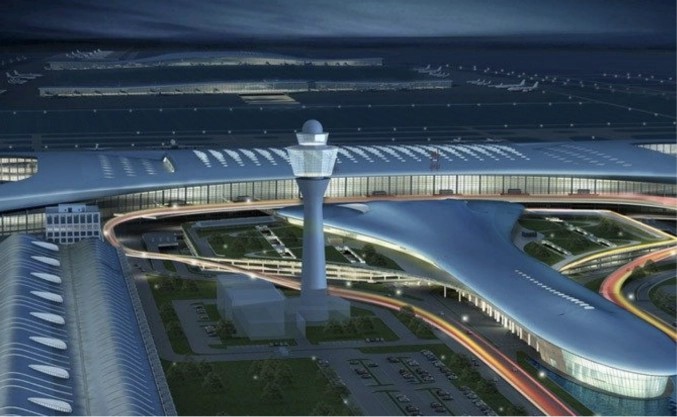
The airport terminal is a key part of the air transport system and the connection point between the air and the ground, reflecting the latest architectural trends and the latest construction technology trends. Therefore, it is necessary to make new judgments on the function, form and economic operation of new airport terminal designs, and use them as a research basis for the architectural creation theory, means and methods of terminal design, thereby providing theoretical and temporal guidance for the growing vision of airports.

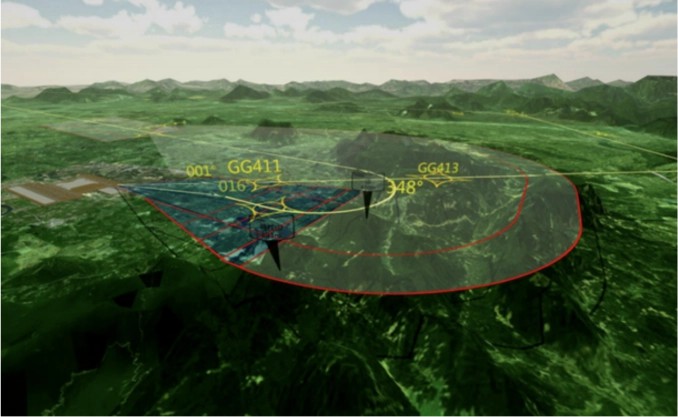
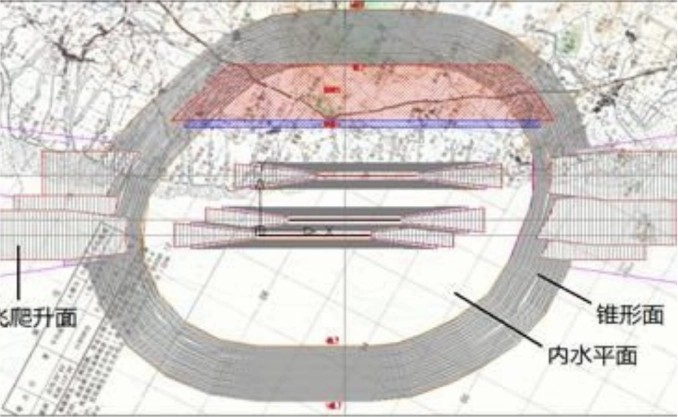
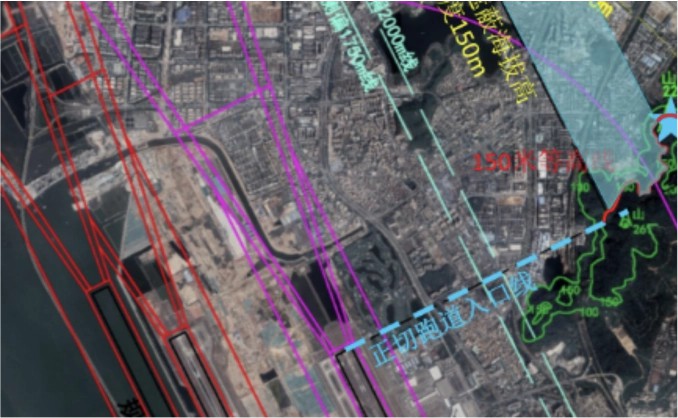
In accordance with ICAO Annex 14 and relevant civil aviation standards, Annex 14 is constructed on the satellite map to visually display the restricted surface of the area, facilitating clearance analysis and obstacle assessment.

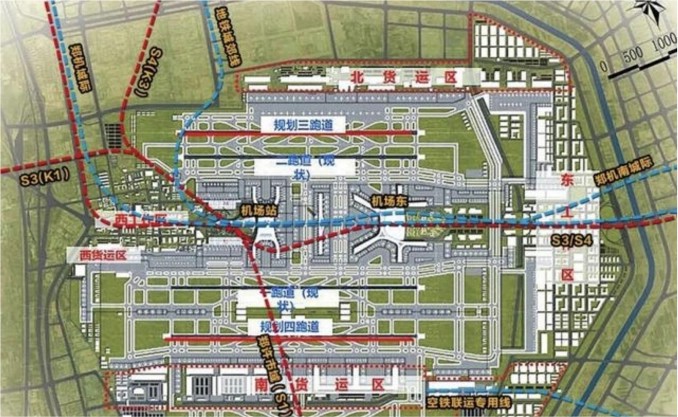
  • Airport Master Plan
  • General Graphic Design of the Airport
  • Regional and land use planning
  • Airport forward control planning

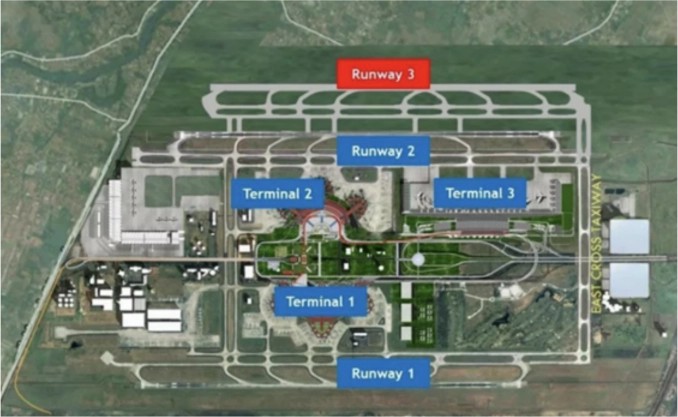
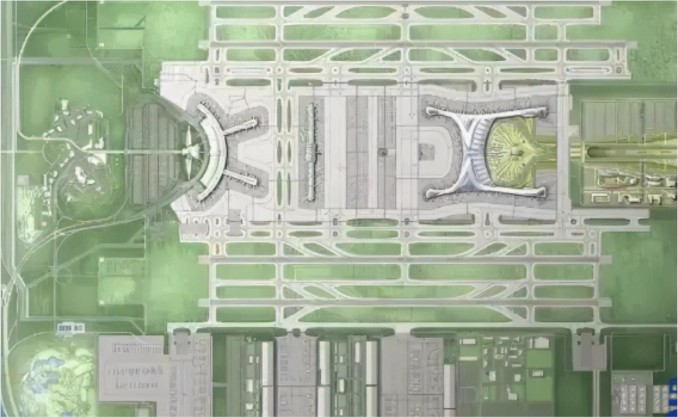
In combination with the floor plan of each functional area and according to the configuration needs of various facilities, we will coordinate the planning of various facilities such as control towers, apron control facilities, fire stations, lighting stations, etc., and plan the overall plane of the airport through professional personnel and equipment.
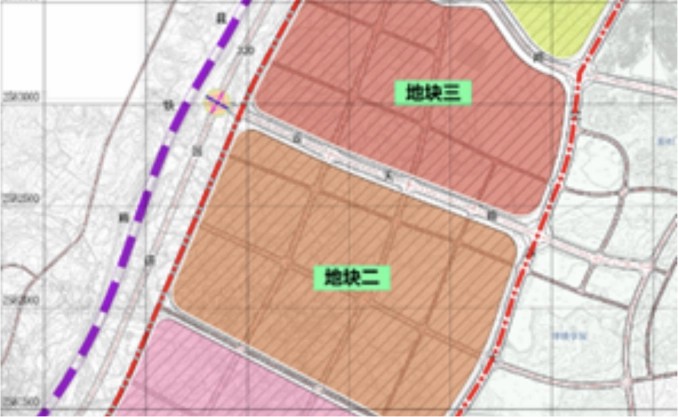
The airport economic zone mainly includes some airport industries such as aviation manufacturing, logistics, high-end technology, and high-end services. It refers to a multifunctional economic area formed by industrial agglomeration and industrial agglomeration in the area around the airport and the connecting area between the airport and the urban area based on the construction of the airport and the positive impact of the airport on the surrounding area; generally, the airport is used as the core to develop airport-related industries within a 1-20 km area around the airport.


  • Route and volume forecasts
  • Standard day flight plan design
  • Spatial and temporal distribution of airport passenger traffic
  • Survey on constraints on the development of aviation business volume

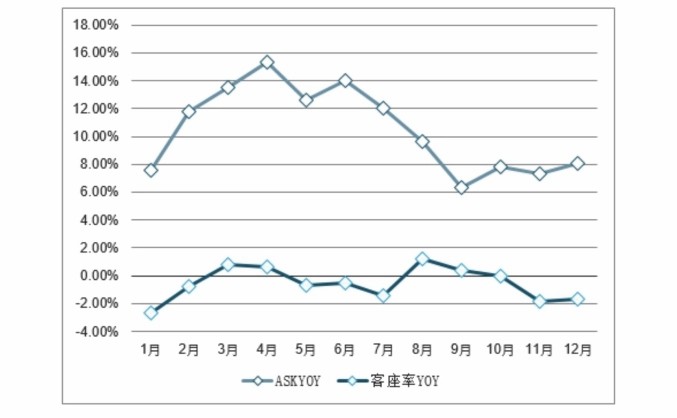
Aviation business volume forecasting is an important basis for the early planning, design and construction of airports. It is the main indicator for determining terminal planning and flight area running and sliding system configuration. At the same time, the forecast results of aviation business volume can also provide decision makers with a basis for decision-making.

Without affecting the operational safety of the airport, the project and obstacles will be evaluated in accordance with Annex 14 of the International Civil Aviation Administration and relevant standards of the Civil Aviation Administration of China, from the aspects of Annex 14, flight procedures, aircraft performance and navigation facility signals, etc. The relevant issues will be analyzed and demonstrated, and principled opinions will be formed to provide reference solutions, ultimately promoting the common development of airport construction and urban construction Ensure the operational safety of civil aviation transportation from the basis.

  • Analysis of obstacles during aerial surveys
  • Runway intrusion improvement measures
  • Airfield safety measures
  • Phase construction and construction planning for the flight zone

It mainly refers to the arrangement of runways, parallel taxiways, quick exit taxiways, connecting taxiways, lifting belts, aprons and airfield drainage systems. The runway is the most important part, and its arrangement is determined by the number and orientation of runways.

Airport aviation intelligence materials cover a lot of content. The company has completed the maintenance of flight procedures at multiple airports, involving the revision of airport rules, air chart revisions, etc. It also completed magnetic difference measurement, obstacle data and intelligence data maintenance work at more than 20 airports including Hohhot, Yuncheng, Huizhou, Meixian, Zhuhai, Chaoshan, Hotan, Xi'an and Hunan.

  • Analysis of the electromagnetic environment
  • Airport noise analysis
  • Environmental feasibility analysis
  • Airport and Environmental Analysis

Consider various factors such as flight procedures and performance, and analyze the impact of noise and other factors on the airport environment through professional software equipment. Based on the analysis results, the study analyzes the impact on the surrounding environment of the airport site and the rationality of the target year flight procedures, and puts forward corresponding suggestions, measures and solutions.


Analyze the situational safety of civil aviation and complex low-altitude flight respectively. By building a model and conducting simulation analysis based on the flight situation simulation platform, we explore the relationship between parameters such as flight volume, number of conflicts, conflict duration, average interval and average heading, and explore the basic laws of flight situation safety, as well as the impact of flight rules, bad weather and other factors on flight situation safety.

Contacts

📞︎ Tel:

        (61)0410270366

✉︎ Mail:

        jane@gzzhhk.com


wechat

WhatsApp


版权所有:广州筑航航空技术有限公司 | ICP备案编号:粤ICP备2024266739号-1